
How to Get an Expungement in Seminole County, Florida
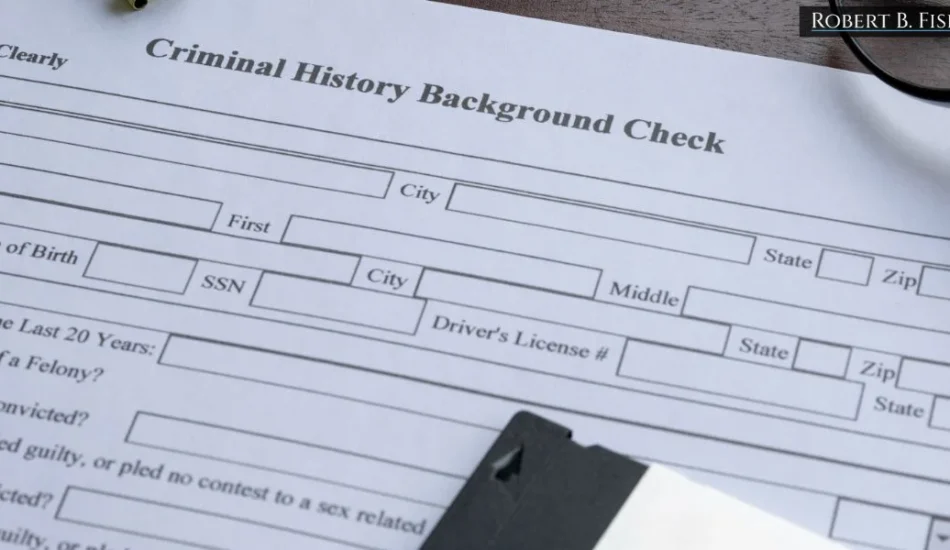
A dropped charge or an old arrest can follow you for years, showing up on background checks long after the case ended. In Florida, you may be able to erase that record through expungement, but only if your case qualifies. The process starts with the Florida Department of Law Enforcement and ends with a judge in your county of arrest.
Getting it right matters, because Florida gives most people only one shot at this in a lifetime. At Robert B. Fisher, P.A., we help people across Seminole County clear their records and move forward. Here is how the process works.
Key Takeaways
- Expungement destroys your criminal record, while sealing hides it from public view but keeps it on file.
- You must get a Certificate of Eligibility from the state before a court will consider your petition.
- Most people qualify for only one sealing or expungement in their lifetime.
- Charges that were dropped, dismissed, or ended in an acquittal are the strongest candidates for expungement.
- The court has the final say, even after the state approves your certificate.
The rules are exact, and a single mistake on the paperwork can send you back to the start. If you are not sure which category your case falls into, a Seminole County expungement attorney can review your record before you file.
Sealing vs. Expunging a Record in Florida: What’s the Difference?
Expungement destroys your criminal history record. Sealing keeps the record but hides it from the public. That difference decides which path you can take.
You qualify to expunge under section 943.0585, Florida Statutes, when the charges were never filed, were dropped or dismissed, or ended in an acquittal. If you pleaded guilty or no contest and the judge withheld adjudication, you were not convicted, but you can only seal the record under section 943.059, not expunge it. People miss this most often, and a withhold of adjudication is common in Florida plea deals.
Who Can Expunge a Record in Seminole County?
Florida law sets firm eligibility rules. You generally qualify if:
- You have never been convicted of any criminal offense, in any state.
- The charge you want expunged did not end in a conviction.
- You have never sealed or expunged another record before.
- Your offense is not on the disqualified list in section 943.0584, which excludes most sex crimes and violent felonies.
There is one narrow exception to the one-record rule. Since a 2022 change to the law, a record that has been sealed for at least 10 years can later be expunged. Otherwise, the one-in-a-lifetime limit is strict, so be sure before you apply.
How to Get an Expungement in Seminole County: The Steps
Expungement follows a set order, and each step depends on the last.
- Order a certified copy of your case disposition from the Seminole County Clerk of Court.
- Get fingerprinted by a law enforcement agency on an official fingerprint card.
- Complete the Application for Certificate of Eligibility and have your section notarized.
- For an expungement, send the application to the State Attorney for the Eighteenth Judicial Circuit so a prosecutor can complete Section B.
- Mail the finished packet to the Florida Department of Law Enforcement with the $75 fee.
- After the state issues your certificate, file your petition with the court at the Seminole County criminal courthouse, 101 Eslinger Way in Sanford.
The FDLE certificate of eligibility instructions and the Seminole County Clerk seal and expunge checklist explain each form in detail. A Seminole County expungement attorney can handle the filing so nothing gets rejected on a technicality.
How Long It Takes and What It Costs
The state typically takes about 12 weeks to review a completed application and decide on eligibility. The fee is $75, paid by money order or cashier’s check. After that, you still need the court to grant your petition, and a judge can deny it even when your certificate is approved. Most cases finish in a few months, though timelines shift with the court’s schedule.
Frequently Asked Questions
Can I expunge my record if I completed a diversion program?
Often, yes. If your charges were dropped or dismissed after you finished a pretrial diversion program, your case may qualify for expungement. Ask the Clerk for your certified disposition to confirm how the case was closed.
Will an expunged record show up on a background check?
For most employers and the public, no. The state keeps a confidential copy, and a short list of agencies, including criminal justice employers and the Florida Bar, can still see it. For a standard job or housing application, an expunged record stays hidden.
Can I expunge a DUI in Florida?
A DUI conviction cannot be sealed or expunged, since a DUI cannot receive a withhold of adjudication. If your DUI charge was dropped or reduced to a non-criminal outcome with no conviction, you may still qualify. The details of your disposition decide it.
Do I need a lawyer to expunge my record?
No, the law does not require one. The paperwork is exact, though, and the state rejects incomplete or incorrect applications, which costs you months. Many people hire an attorney to avoid a rejection and a second wait.
Robert B. Fisher, P.A.: Your Seminole County Criminal Defense Firm
A dropped charge or an old arrest should not define the rest of your life, and Florida law gives you a real way to clear it. As a former Seminole County prosecutor and criminal defense lawyer, Bob Fisher knows how the State Attorney’s Office and the local courts handle these petitions, and that helps him spot problems early.
He reviews your disposition, confirms your eligibility, and files the petition correctly the first time. Contact our firm today to find out whether your record qualifies and to start the process with someone who has worked both sides of it.

Office Location
Robert B. Fisher, P.A. 1220 Commerce Park Drive
#207
Longwood, FL 32779
© 2026 Copyright Robert B. Fisher, P.A. All Rights Reserved.
Digital Marketing By 
*Images are obtained under license from Canva and other third-party stock image providers, with attribution included where required.