
What Happens After a Sex Crime Arrest in Florida?
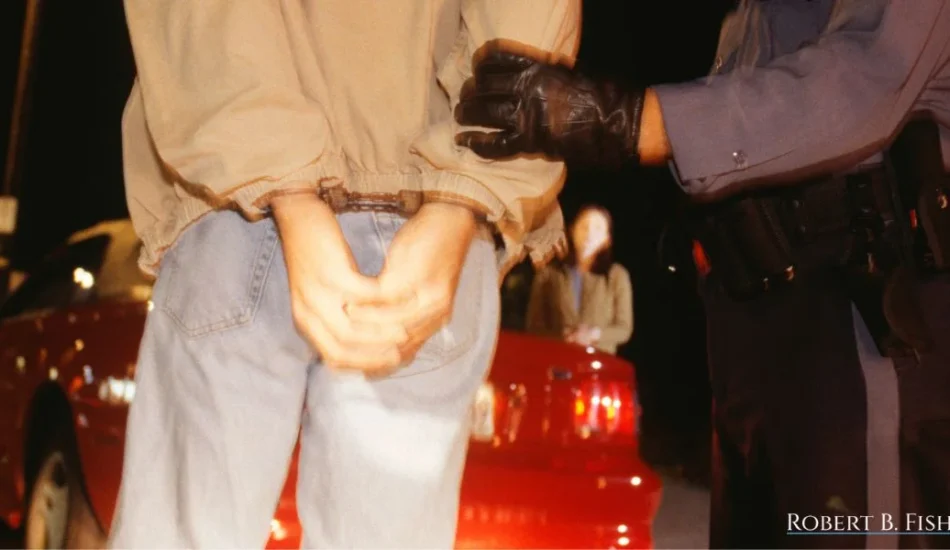
A sex crime arrest moves fast and lands hard. One day life is normal, and the next you’re in a jail cell trying to understand what a detective just said and what happens next. The fear is real, and so is the confusion.
Here’s the part that gets lost in the panic: an arrest is the start of a process, not the end of the story. There are stages ahead, each with its own rules and its own chances to protect yourself. Knowing the sequence helps you make better decisions when they count most.
Robert B. Fisher, P.A. has practiced criminal law in Central Florida for decades, as both a prosecutor and a defense attorney. What follows is the road most of these cases travel after an arrest.
Key Takeaways
- You must see a judge for a first appearance within 24 hours of arrest.
- Most charges carry a right to reasonable bond, but capital and life offenses can be held with no bond.
- An arrest is not a charge. The State Attorney decides whether and what to file.
- An arrest alone does not put you on the sex offender registry. Registration follows a conviction, not an arrest.
- What you say in the first hours can decide the case. You have the right to stay silent and to a lawyer.
Facing this right now? Contact our firm today for a free consultation before you talk to anyone else about the case.
Booking and the First 24 Hours
After the arrest, you’re booked at the county jail: fingerprints, a photograph, and paperwork that logs the charge. It’s disorienting, and it’s designed to be routine for everyone but you.
Within a day, you’re brought before a judge for a first appearance. Florida Rule of Criminal Procedure 3.130 requires that hearing within 24 hours of arrest. The judge reviews whether there was probable cause for the arrest, tells you the charges, and addresses conditions of release. It is short, but it is often the first real moment to affect whether you go home while the case plays out.
Bond and Pretrial Release
Most people charged with a crime have a right to reasonable pretrial release under Article I, Section 14 of the Florida Constitution. One exception matters here: a person charged with a capital offense or an offense punishable by life, where the proof of guilt is evident or the presumption is great, can be held with no bond.
Some sex offenses reach that level, so a judge may set a high bond, hold you for a separate hearing before deciding, or attach conditions to your release. Common conditions include no contact with the alleged victim, GPS monitoring, surrendering your passport, and staying away from schools or parks. Violating any of them can land you back in custody fast.
When the State Decides to File Charges
An arrest is a police decision. Charges are a prosecutor’s decision. The State Attorney’s office reviews the case and decides whether to file a formal charging document, called an information, and exactly what to file. Sometimes the charges match the arrest. Sometimes they’re reduced, increased, or dropped.
Timing has teeth. If you’re held in custody, the State generally must file charges within 30 days or you may be released while the case continues. Once formal charges are filed, the speedy trial rule generally requires a felony to go to trial within 175 days.
Under Rule 3.191, updated in 2025, that clock now runs from the filing of formal charges rather than from the arrest. After charges come the arraignment, your plea, and then discovery and motions, where much of the real defense work happens.
Does an Arrest Put You on the Sex Offender Registry?
This is the fear that keeps people up at night, so it’s worth stating plainly: an arrest by itself does not put you on the registry. Under Florida Statute 943.0435, registration is triggered by a conviction or a qualifying adjudication, not by an arrest or a pending charge.
That is a big reason the outcome of the case matters so much. Our sex offender registration and Level 1 offender pages explain how the registry works if a case ever reaches that stage, and how classification levels differ.
The Penalties Behind the Charge
What’s at stake depends on the specific offense. Under Florida Statute 794.011, sexual battery ranges from a second-degree felony at the low end up to a life or capital felony when the victim is under 12. Lewd or lascivious offenses under Florida Statute 800.04 carry penalties that climb with the ages involved and whether force was used.
Florida also closes off defenses people assume will save them. Under Section 800.04, the victim’s consent, the victim’s lack of chastity, and an honest but mistaken belief about the victim’s age are not defenses. That is why these cases turn on evidence and procedure, not on good intentions.
What to Do Right Now
The first days shape everything that follows. A few choices protect you more than anything else:
- Don’t talk to police or detectives without a lawyer, even to explain or clear things up. It rarely helps and often hurts.
- Don’t contact the alleged victim, directly or through friends, family, or social media.
- Write down everything you remember about the events and the arrest while it’s fresh.
- Get a defense attorney involved before your first appearance if you possibly can.
You have the right to remain silent and the right to a lawyer. Use both. An Orlando sex crimes lawyer can step in at the earliest stage, when the decisions are still reversible.
Frequently Asked Questions
How long can police hold me before I see a judge?
Not long. Florida requires a first appearance within 24 hours of arrest, where a judge reviews probable cause, states the charges, and sets release conditions. If that window passes without a hearing, that itself can be a problem worth raising.
Will I have to register as a sex offender just because I was arrested?
No. Registration in Florida follows a conviction or a qualifying adjudication, not an arrest or a pending charge. An arrest starts a case that still has to be proven.
Can I be denied bond entirely?
Yes, in some cases. For a capital offense or an offense punishable by life, a judge can hold you with no bond when the proof of guilt is evident or the presumption is great. Otherwise you generally have a right to reasonable release conditions.
Should I explain my side to the detective?
No. Talk to a lawyer first. Detectives are gathering evidence, and even an innocent explanation can be twisted or taken out of context. Politely decline and ask for an attorney.
Robert B. Fisher, P.A.: Your Sex Crimes Defense Firm
A sex crime arrest is one of the most frightening things a person can face, and the choices in the first days carry real weight. You don’t have to make them alone, and you shouldn’t try to talk your way out of it without help.
Robert Fisher looks at each case the way a prosecutor would first, finding the weak points before the State ever presents it. If you or someone you love was just arrested, contact our firm today for a free consultation, and let’s talk about what comes next.

Office Location
Robert B. Fisher, P.A. 1220 Commerce Park Drive
#207
Longwood, FL 32779
© 2026 Copyright Robert B. Fisher, P.A. All Rights Reserved.
Digital Marketing By 
*Images are obtained under license from Canva and other third-party stock image providers, with attribution included where required.