
Orlando Expungement Lawyer
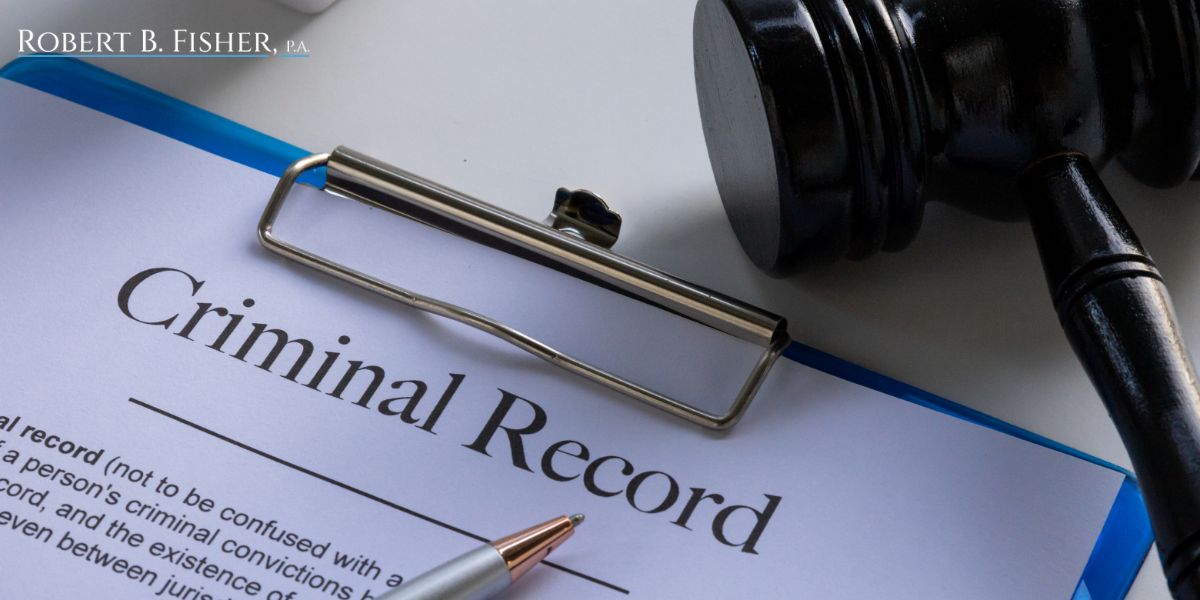
Orlando Expungement Attorney
Sometimes, mistakes happen, but that does not mean they have to shape your entire future. Fortunately, Florida is a state that has enacted Clean Slate laws, which allow you to clear your criminal record. If you are looking for a second chance and want to have your records expunged, an Orlando expungement lawyer at Robert B. Fisher, P.A., can help.
Understanding expungement laws can be complicated, and trying to navigate expungement on your own can be daunting. Fortunately, you do not have to. When you contact our reputable law firm, we can review your case and help you file for expungement. We can also go over eligibility requirements, explain the process, and build your case.
How Robert B. Fisher, P.A., Can Help
At Robert B. Fisher, P.A., our knowledgeable Orlando expungement attorney has over 35 years of experience, helping clients with case reviews, investigations, strategic planning, negotiation, and trial. When you hire an expungement lawyer at our firm, we can examine the details of your expungement case, using our knowledge of the state’s expungement laws.
We are also familiar with the courts. In Orlando, expungement petitions go through the Orange County Clerk of Courts. Even though the court system can be intimidating, you can expect our honest communication throughout the entire process. We can meet all deadlines and requirements while alleviating court-related stress and anxiety.

Former Prosecutor
Call 407-389-4529 or contact the office online to schedule your initial consultation.

What Is Expungement?
Expungement is the legal process of sealing or destroying an individual’s criminal record (arrests, charges, or convictions) so it is no longer accessible to the public, including most employers and landlords. While it does not erase the event, it allows a person to legally treat the record as if it never happened. Essentially, it offers a fresh start to eligible misdemeanor and low-level offenders, who comprise more than 70% of the state’s criminal caseload.
According to Florida law, the types of available expungement include:
- Administrative expungement
- Court-ordered sealing or expungement
- Juvenile diversion expungement
- Lawful self-defense expungement
- Human trafficking expungement
- Automatic juvenile expungement
- Early juvenile expungement
- Automatic sealing
Usually, expungement is not an automatic process. It requires filing a petition with the court and, in some cases, paying fees. No two cases are the same. With current Clean Slate laws, research shows that between 188,000 and 221,000 people in Florida could have their records cleared. A knowledgeable expungement attorney can review the details of your situation to see what you may qualify for.
Eligibility for Expungement
Eligibility for expungement is limited. It generally applies to dismissed charges, dropped charges, not-guilty verdicts, and certain lower-level convictions. Individuals seeking expungement must:
- Not have been convicted of a crime.
- Have no prior sealed or expunged record.
- Have a case that resulted in dismissal, nolle prosequi, or acquittal.
Common examples of eligible records for expungement include:
- Non-conviction records. Charges were dropped, dismissed, or resulted in a not-guilty verdict.
- Low-level misdemeanors. These include vandalism, disorderly conduct, petty theft, and first-time offenses.
- Drug offenses. Possession or low-level possession with intent to sell can be expunged.
- Traffic offenses. Certain driving infractions or misdemeanors are also eligible.
- Juvenile offenses. Records created when the offender was under the age of 18 are expungable.
- DUI. This is generally for specific, often first-time, operation under the influence offenses.
Expungement may be possible, but many who become eligible do not obtain it. Among those legally eligible for expungement, only 6.5% do so within five years of eligibility. Speaking to legal counsel is critical. Sometimes, expungement is not an option. According to Florida Statute Section 943.0584, crimes such as terrorism, sexual misconduct, murder, manslaughter, and aggravated assault are ineligible.
Expungement Defenses
When you hire an Orlando expungement attorney to work on your case, they can build a strong defense with a focus on proving rehabilitation, public safety, and compliance with legal requirements to remove criminal records. Using our decades of criminal law experience, we can demonstrate that you have been reformed and pose no threat to society.
Another defense that is common in expungements follows the Same Transaction Rule. This can work in cases with multiple offenses, arguing that your convictions occurred within 24 hours and arose from the same transaction to meet statutory limits. Depending on the circumstances, there may be several different angles we can take when trying to clear your criminal record.
Why Should I Hire an Expungement Lawyer?
You should hire an Orlando expungement lawyer at Robert B. Fisher, P.A., to navigate complex expungement laws and handle the legalities of your expungement case. In addition to providing personalized and client-focused service, we can increase your chances of expungement success by drafting the petition, handling paperwork, and representing you in court.
FAQs
When Should I Contact an Expungement Lawyer?
You should contact an expungement lawyer as soon as you have completed your sentence, probation, or parole. There is typically a mandatory waiting period, which is longer for felonies or shorter for certain misdemeanors. It is critical to engage an attorney immediately if you are facing background issues for employment, housing, or licensing.
Do I Need a Lawyer to Expunge My Record in Florida?
You are not legally required to hire a lawyer to expunge your record in Florida, as you can submit the necessary FDLE application on your own. However, an attorney is highly recommended because the process involves complex, multi-step legal procedures, including obtaining a Certificate of Eligibility, dealing with the State Attorney’s Office, and filing court motions.
Is It Better to Seal or Expunge?
When you want a fresh start, expungement is generally better than sealing because it destroys or deletes records, making them legally invisible to most employers, landlords, and the public. Sealing only hides records from public view, while they remain accessible to law enforcement and certain agencies. Both options help, but expungement offers the highest level of relief.
How Long Is the Expungement Process?
The expungement process in Florida typically takes a few months from start to finish. The timeline depends heavily on FDLE processing times for the Certificate of Eligibility, along with the court’s caseload. The sooner you reach out to our attorney, the sooner we can begin building your case and start the process.
Request Your Initial Consultation Today
We all make mistakes, and a past mistake should not define your future. If you need a skilled Orlando expungement lawyer to handle your case and help you clear your criminal record, look no further than Robert B. Fisher, P.A. With our years of dedicated legal service, we can help you build a new future with a clean slate. Contact us to request your initial consultation today.

Office Location
Robert B. Fisher, P.A. 1220 Commerce Park Drive
#207
Longwood, FL 32779
© 2026 Copyright Robert B. Fisher, P.A. All Rights Reserved.
Digital Marketing By 